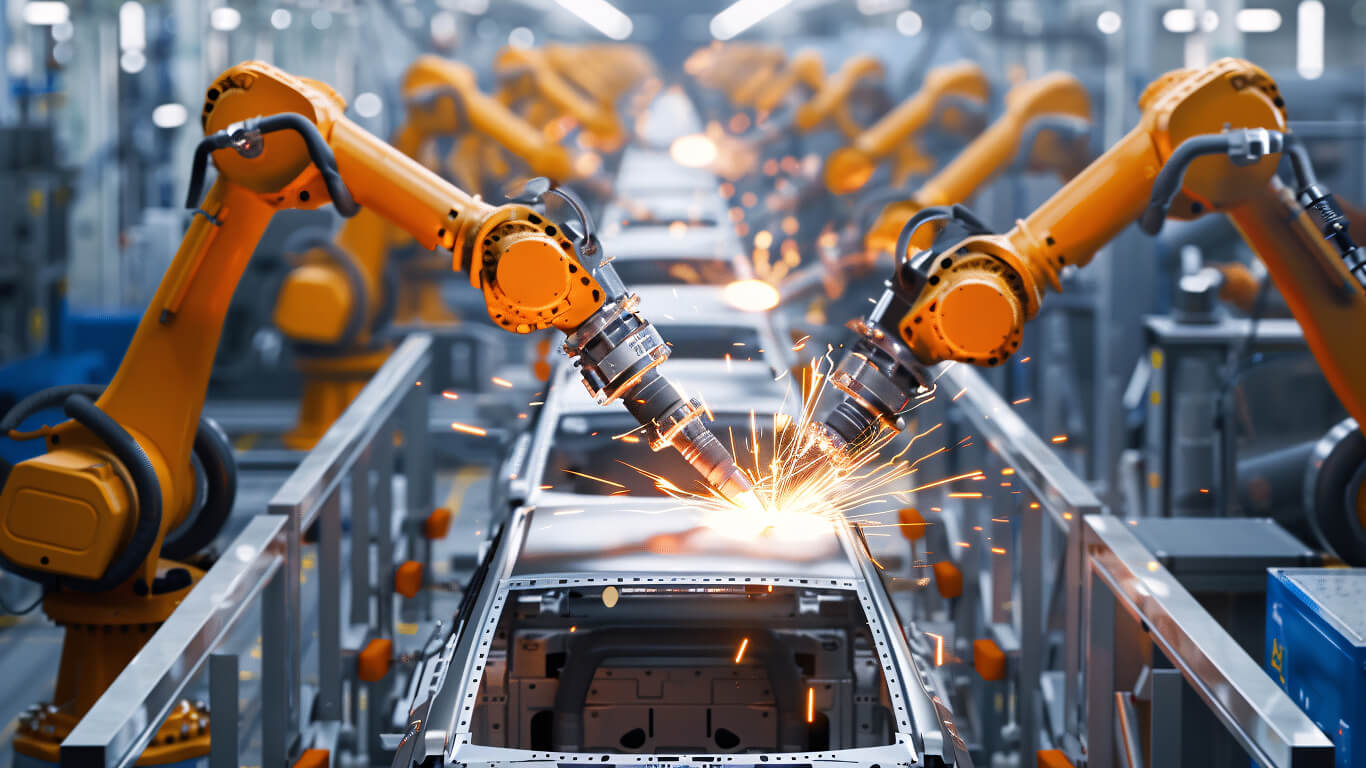
Automation eliminates repetitive manual strain while achieving nanometer precision. Modern CNC routers, laser cutters, and collaborative assembly robots enable 24/7 continuous production runs.
Operators now shift their focus from physical labor to quality assurance, continuous process improvement, and system optimization.
Automation is not about replacing human ingenuity—it is about empowering teams to achieve flawless craftsmanship at scale.
Why precision engineering matters in Manufacturing
Modern manufacturing demands meticulous attention to tight tolerances, repeatable precision, and stringent quality control. This high level of accuracy ensures parts fit seamlessly, reduces wear on industrial machinery, and guarantees compliance with international safety and durability standards.
- Substantially decreases cycle time per produced assembly.
- Improves workplace safety by automating hazardous machining tasks.
- Guarantees 100% repeatability across high-volume production runs.
By reducing errors and material waste, precision engineering also helps manufacturers increase production throughput and lower operational costs. It is especially vital in sectors such as aerospace, automotive, medical equipment, and heavy industrial automation.