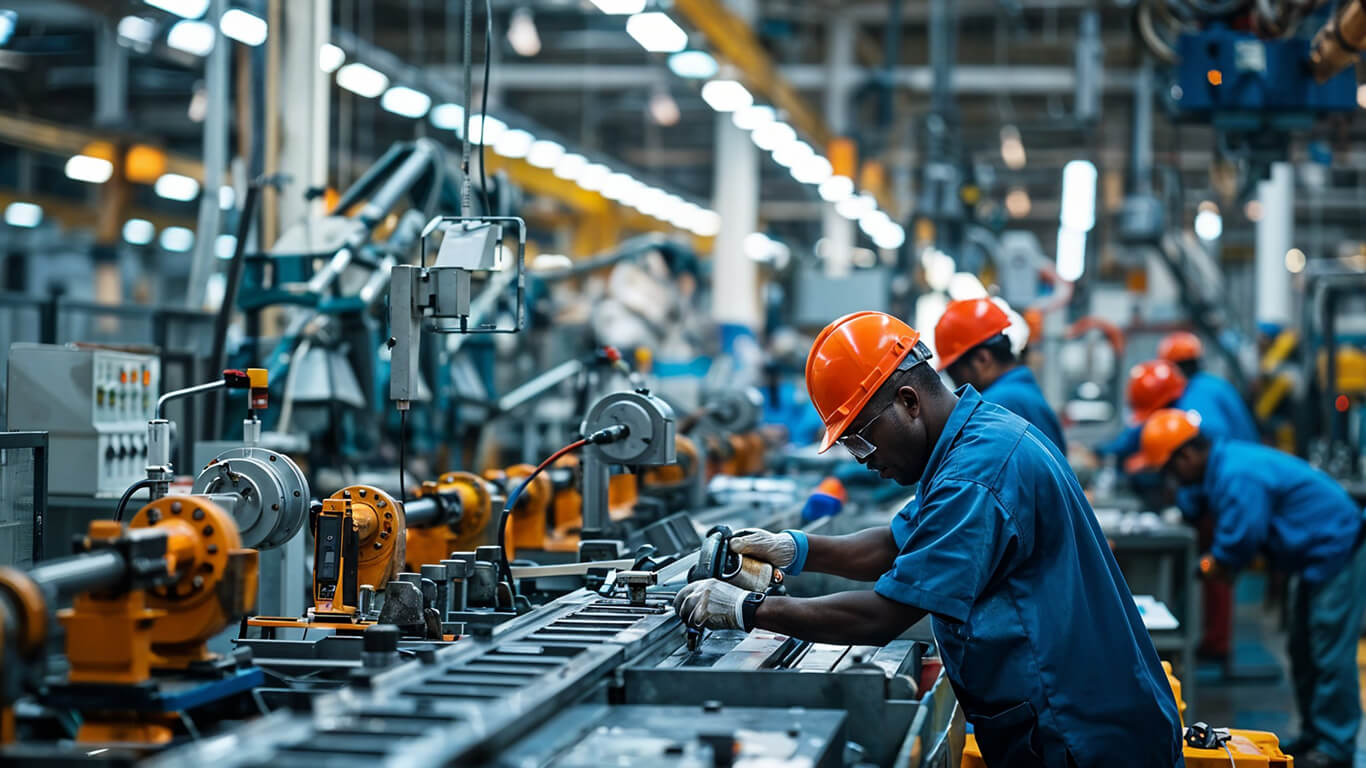
In today's highly competitive industrial landscape, precision engineering plays a critical role in manufacturing success. Modern industries demand components that meet extremely tight tolerances, high performance standards, and consistent quality. Precision engineering ensures that every manufactured part is produced with accuracy, reliability, and efficiency.
Creating a balanced work-life routine is essential for maintaining both professional success and personal well-being. Precision engineering refers to the design and manufacturing of parts with extremely tight tolerances and high levels of accuracy. It involves the use of advanced machinery, sophisticated measurement tools, and computer-controlled systems to produce components that meet exact specifications.
By reducing errors and material waste, precision engineering also helps manufacturers increase production efficiency and lower operational costs. It is especially important in industries such as aerospace, automotive, medical equipment, and electronics.
Precision engineering drives industrial manufacturing by delivering unmatched accuracy, consistency, and reliability. It ensures high-quality components, reduces waste, improves efficiency, and supports advanced industries with perfectly crafted parts that meet the highest performance.
Why precision engineering matters in Manufacturing
Modern manufacturing demands meticulous attention to tight tolerances, repeatable precision, and stringent quality control. This high level of accuracy ensures parts fit seamlessly, reduces wear on industrial machinery, and guarantees compliance with international safety and durability standards.
- Precision engineering ensures components meet exact specifications for consistent industrial manufacturing quality.
- High accuracy manufacturing improves product reliability, durability, and long-term operational performance.
- Prevents assembly failures by ensuring uniform tolerance across thousands of production units.
- Tight tolerances help components fit perfectly within complex mechanical and industrial systems.
- Precision processes significantly reduce material waste and costly production errors during manufacturing.
By reducing errors and material waste, precision engineering also helps manufacturers increase production throughput and lower operational costs. It is especially vital in sectors such as aerospace, automotive, medical equipment, and heavy industrial automation.