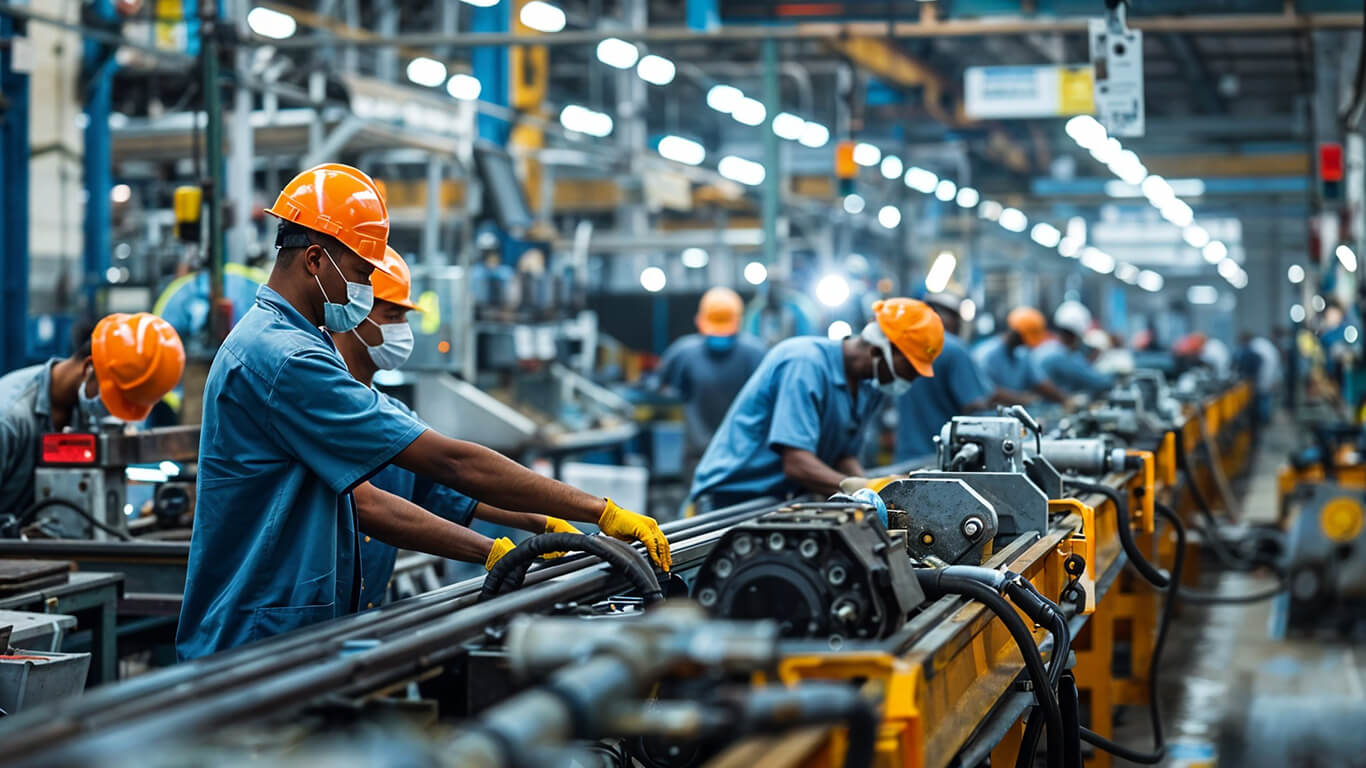
Smart manufacturing combines physical hardware with connected software algorithms. From computer-vision automated optical inspection (AOI) to robotic arm collaborative cells, technology is elevating production line output to unprecedented heights.
Connected sensors detect early mechanical wear long before component failure, ensuring near-zero unplanned factory downtime.
The factory of tomorrow operates with real-time intelligence, proactive maintenance, and seamless human-machine collaboration.
Why precision engineering matters in Manufacturing
Modern manufacturing demands meticulous attention to tight tolerances, repeatable precision, and stringent quality control. This high level of accuracy ensures parts fit seamlessly, reduces wear on industrial machinery, and guarantees compliance with international safety and durability standards.
- Real-time sensor telemetry for vibration, heat, and hydraulic pressure.
- Automated optical defect detection exceeding human inspection speeds.
- Seamless integration with cloud-based ERP and scheduling platforms.
By reducing errors and material waste, precision engineering also helps manufacturers increase production throughput and lower operational costs. It is especially vital in sectors such as aerospace, automotive, medical equipment, and heavy industrial automation.